
Anxiety & Depression

Balm – Melissa officinalis
A useful herb in the treatment of mild anxiety associated with palpitation.
Not always a mental illness.
Anxiety and Depression come hand in hand, although anxiety often begins the process. When the condition is chronic it becomes difficult to separate the two factors. One will surely follow the other unless interrupted by appropriate rehabilitation. Left untreated, the condition becomes cyclic and gains in intensity.
It is reassuring to note that patients suffering from anxiety, depression and related conditions such as phobias rarely ‘crack up’. Such patients usually fear losing control and are afraid that they will have a breakdown or become mentally unstable, however they rarely do. Anxiety and depression may be side effects of more serious psychoses but do not necessarily lead to these.
Anxiety builds from suppressed stress. Anger and frustration are commonly experienced. Normal ways of expressing these stresses are through physical illness or through a process of acceptance and letting go. Temporary ways of relieving stress-related anxiety are physical exercise, shouting into a pillow or using relaxation techniques. Understanding the condition is also a useful and empowering tool.
Anxiety and depression often produce disrupted sleep patterns. Circadian rhythms become disturbed and fatigue results. The patient falls into a pattern of sleeping in the daytime and staying up late at night creating further disruption and fatigue.
People suffering anxiety and depression can be rehabilitated. Their disorders can be treated. They are not mentally ill and need to be reassured of this. Their very natural fears along with the social stigma of such illness add greatly to the anxiety already experienced.
It is necessary for the therapist to be able to discern between treatable anxiety and depression and psychiatric disorders such as schizophrenia. Patients suffering from the former are able to reason about their condition and realize that something is wrong whereas in the latter condition certain unrealities such as hearing voices are accepted as normal by the patient.
There is a higher incidence of anxiety and depression in people of high IQ or developed imagination. Intellectual people are used to directing their lives with their minds, a process which can develop into excessive control (see pain induced depression). The mentally agile or imaginative person projects ahead, reasoning things out and speculating with varying accuracy on outcome. Conversely, a less intellectual or less imaginative person will become passingly anxious or depressed without relating it to other problems or behaviour patterns, thus keeping stress within limits.
It is possible for a person to suffer an attack of anxiety and depression during a period of stress and yet never experience another.
Chronically anxious and depressed patients can in time become sensitised to food and other substances that they may have tolerated well in the past and can be slow to recover from illness and injury.
Anxiety and depression as side effects of other psychiatric disorders are not treatable using the methods outlined in these pages and the help of a psychiatrist is required.
Anxiety
An anxiety attack may be characterised by breathlessness, palpitations, agitation, worry, fear or panic. An aspect of anxiety is the build up of agitated fire energy in the nervous system as a result of stress, pushing or worry.
The patient may also experience a feeling of detachment. This occurs as a result of turning the energy of life inward and becoming centred in self (indicative of altered sensory perception). The senses begin to shut down in an attempt to prevent further sensory overload. During an anxiety attack food may taste different, ringing in the ears may be experienced and vision may be disturbed. This can take the form of tunnel vision, a sense of things being far away or the experience of things looking “wrong”. This “wrongness” can affect any of the five senses. All of these can exacerbate an attack as the patient reacts and panics further.
The patient may have a pale, ashen complexion and sweat freely or feel clammy. A characteristic sickly body odour and halitosis may be detected. Gastric processes may also be disturbed and in extreme cases vomiting results.
Stress may be defined as personal pressures of various origins. These include attempting to deal with troubles beyond one’s experience or level of confidence or living with unresolved fears or problems.
Sometimes anxiety sufferers instigate a habit of excessiveness and pushing. Whilst activity releases pressure, excessive activity can be very debilitating in the long term and the patient will suffer fatigue and massive fluctuations in energy and mood.
Worry may be a primary or secondary aspect of anxiety and easily becomes habitual. Worries may be specific or vague in nature. When the sufferer cannot put a finger on a satisfactory cause of the worry, phobias may eventually develop as a focus is sought.
The patient gains temporary relief when a tangible cause is identified a process that may become damaging if the period of relief is not utilised in solving the problem. Possible solutions may be seeking help from a doctor, natural therapist or counselor. If the opportunity is not taken, blame continues to be placed on the perceived cause and as this becomes habitual the problem is compounded. When anxiety cannot be resolved by being fastened to a cause, panic and worry set in and the patient becomes fearful of mental instability.
Anxiety induced hyperventilation can be controlled by the use of a paper bag. At the time of the attack hold the neck of a paper bag against the patient’s face so as to create a mask-like seal. The bag will inflate and deflate as the patient rebreathes exhaled carbon dioxide, slowing oxygen intake and calming the breathing.
Other breathing difficulties are commonly associated with anxiety. One of these is stress breathing. Under normal circumstances it is healthy to breathe by moving the abdomen, the chest area remaining predominantly still. In an emergency situation when the body is called upon to react more strongly, breathing deepens and speeds up, the chest heaves and the apices of the lungs are brought into action. This stimulates the body to continue producing action-related chemistry. Stress induces a similar process in which the patient breathes by moving the rib cage and sometimes shoulder movement may also be detected. Bringing this to the patient’s attention and teaching them the correct abdominal breathing can significantly reduce the cycle of stress-related chemistry.
Tension and spasming of the diaphragm muscle result in pain, respiratory distress and blockage of energy flow between the upper and lower body. The patient can be made aware of this tension and taught to consciously relax and drop the diaphragm, eliminating stress breathing and enabling oxygen to circulate correctly. This also helps control anxiety attacks.
The chronic anxiety sufferer becomes accustomed to the increased level of stress induced chemical activity in the body. The system accepts this as a baseline of activity and forgets what real relaxation feels like. Diligent use of relaxation techniques will in time re-educate the system. Very stressed patients may have difficulty with these techniques initially, however perseverance will eventually be rewarded.
Anger is an expression of accumulated fiery energy and positive ways of releasing this pressure are needed. One way is through regular exercise. Where the patient exerts excessive self-control relaxation should be taught, coupled with a more gentle approach to life and living. Excessive rigidity can be corrected through counseling and a process of self-forgiveness instigated.
Depression
This term is a medical one that is greatly misused in common parlance.
Depression may be chronic or acute. People suffering an acute episode feel totally weighed down and overwhelmed by the darkness of their emotion and may contemplate or attempt suicide as a means of escape. Thoughts of suicide often produce a great deal of fear that exacerbates the condition. It is interesting to note the difference in these thoughts between depressives and psychotics. Depressives frequently feel that the thought of suicide is foreign, originating outside their normal thinking and they fear the thought immediately afterwards, whereas the psychotic patient sees nothing abnormal in the thought.
Chronic depression may begin with an acute episode that subsides into a dulled state characterised by a reduced sense of well being.
Depression may present in the form of persistent lowered levels of function. The patient may be unaware of this or may suppress it by “coping”, superimposing normal behaviour, a process that cannot be maintained indefinitely.
Depressives are often self indulgent as they seek to comfort themselves in their misery. The indulgence chosen varies with personal preference, though sex, food, cigarettes and drugs are frequently selected.
The very self-controlled patient may be able to mask deep depression and behave reasonably normally but will fall apart when cuddled or shown sympathy and understanding. This type of patient may become addicted to cuddles and sympathy as a trigger for releasing pressure.
In other cases a patient may not experience noticeable mood swings but continually functions at a lower level that is often misdiagnosed as M.E. or some other illness associated with listlessness and fatigue.
Anxiety and depression may be triggered by events such as:
- An unremembered but disturbing dream, with the patient waking with mild disturbance that builds into acute anxiety or depression.
- Death of a loved one: the bereaved may cope for an extended period, but eventually the control cracks.
- Revisiting a place or memory from childhood may trigger confrontation of previously suppressed trauma.
- A period of extreme stress or trauma that releases previously suppressed unrelated pressure.
Pain Induced Depression
- Depression may be a result of chronic pain. Factors contributing to this are:
- The stress of enduring chronic pain.
- Mood-affecting chemical changes associated with pain.
- The frustration which comes from feeling helpless and out of control.
- Associated pressures such as loss of earnings and inability to function normally on a day-to-day basis.
In insurance cases, incentive to rehabilitate may be lacking, as the patient tends to focus on the money factor. This may be subconscious and is understandable in cases of reduced income and where the patient views the pending settlement as a ray of hope.
Emotional changes experienced in the initial stages of pain are predominantly a direct result of chemical and physiological changes occurring as a reaction to pain.
In the long term, depression may result as pressure builds at a subconscious level and seeks an outlet. This can even occur in cases where the person is patient and apparently in control of the emotions. On the other hand patients with a low pain-tolerance and little control may also suffer depression, however the onset may be much sooner. Pain tolerance varies from person to person and Flower Essences will assist in regulating individual psychological response to pain. Those who exert rigid self-control may be treated with Oak and the extremely sensitive with Walnut. The patient must be encouraged to exercise trust and to know that the adverse circumstance will pass.
Pain may disrupt the sleep pattern as it holds the patient close to the physical world. Sleep is shallow and the delta phase of sleep is disturbed. There is a place for sleep inducing medication in these cases but extreme care must be taken in its prescription. Many of these medications themselves cause holes in the web that may further contribute to fatigue and depression. A balance needs to be struck in assessing benefits gained opposed to possible side effects. The length of time a patient is kept on them must also be given careful consideration.
The treatment of depression will generally consist of the appropriate adrenal tonic, homoeopathic stress formula, and a lymphatic drainer, Star of Bethlehem supported by the specific depression herb(s). Also useful are Lady’s Slipper and Valerian.
Bitter Tonic herbs
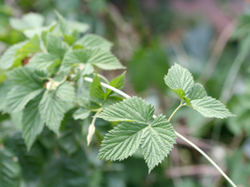
Hops is a very useful bitter tonic and is traditionally used in beer making imparting its characteristic bitter flavour.
Its the Bitter taste that makes your tummy sweet
The Bitters or Bitter tonics are a group of botanicals with a prominently bitter taste, due to the presence of a variety of chemical constituents including volatile oils, alkaloids and sesquiterpene lactones. These are all termed ‘bitter principles’. The taste of bitterness is a common characteristic of many herbal remedies. This taste has a major pharmacological action through the stimulation of bitter sensitive taste buds in the mouth. These specialised cells do more than just signify the taste of food or medicine. They are actually connected neurally in such a way that their stimulation leads to the release of the hormone gastrin from the gut wall into the bloodstream, among other responses. The action in the body of gastrin accords closely with the claims made for the action of bitter herbs such as Swedish Bitters.
Taste does matter when considering the prescription of a bitter tonic, the bitter effect is lost unless one tastes the flavour, and the intensity of the effect is in direct proportion to the strength of the taste.
Bitters stimulate the appetite and thus are applied where lack of appetite or anorexia is a feature of any condition.
Bitters increases the flow of digestive juices and are thus indicated in conditions such as sluggish dyspepsia, to reduce the risk of enteric infections, to reduce the antagonistic action of proteins in the food as a cause of food allergies and generally to improve the micro-environment of the gastrointestinal tract even in problems of the lower intestines.
Bitters increase bile flow and dilution, reducing the chance of gall-bladder disease and effectively improving the self-cleansing reparative ability of the liver (liver drainage), thus finding application in a wide range of liver disease.
Bitters regulate the secretion of insulin and glucagon by the endocrine pancreas and have an important application in hypoglycemia and late-onset diabetes.
Bitters stimulate repair of the gut wall lining and are therefore not necessarily contra-indicated in (peptic) ulcers and other inflammatory or erosive conditions.
In short, the action of bitter principles enhances the whole upper digestive function and improves the assimilation of nutrients. Traditionally this property was highly regarded as leading to a real tonic improvement in health in even the most debilitated circumstances (the term tonic usually denotes a bitter medicine).
The best time to take a bitter remedy is 20 minutes prior to eating a large meal. This gives the stomach, liver, gall bladder and pancreas time to raise the digestive secretions to an optimum level.
Some foods with bitter action are: chicory, hops, endive, radicchio, dandelion greens, olives and dandelion root coffee (preferable drunk black without sugar). Centaury is a herbal medicine with a very gentle bitter action.
Managing your blood sugar level
Has your ‘get up and go’ got up and gone?
Many people suffer from bouts of reduced energy. For most, however, it is regarded as part of life, something to live with. Many are convinced it’s just ‘old age’. There is more to it than meets the eye, however, and sugar and simple carbohydrates may be the culprits. The amount of hidden sugar in our diet, let alone the amount we knowingly add to our food, grows with each generation. We are told that it’s all ‘natural’. It may be natural when it was growing in the fields but gone are all the other nutrients that help us digest and slowly metabolise it. Gone is the fibre that slows the absorption of the sugar into the blood stream. You can imagine how little sugar we would eat if the only source were sugar cane fresh from the field. Nature packages food with all the things we need to digest it effectively. We go and pull it all apart and then claim that the end (processed) product was what nature intended in the first place!
The prepared cereal we pour into our cereal bowls in the morning is often packed with sugars and refined carbohydrates that are absorbed by the body into the blood stream very quickly, all the regulating factors having been removed. Together with a cup of tea or coffee, which contains caffeine (an adrenal stimulant), breakfast provides a kick-start to the day. When the blood sugar level increases this rapidly, the pancreas goes into action. This organ is the brake of the system and secretes insulin into the blood stream to slow the rate of sugar metabolism. When the rate of sugar absorption is so high and fast, the pancreas overcompensates and secretes too much insulin into the blood stream, leading to very low blood sugar levels. This is why you may feel like going back to bed or having a sleep an hour after getting into the housework or arriving at work. So, what do you do? You reach for another cup of tea or coffee and something sweet so that you feel awake enough to face the next part of your day. The inevitable cycle comes round again. The level of sugar in the blood rises too sharply, the pancreas overcompensates, and you wind up in the same sleepy state within the hour, wishing you were back in bed and it’s not even lunchtime yet.
Many people live their lives with blood sugar instability, swinging from high to low, but expecting to be able to work effectively.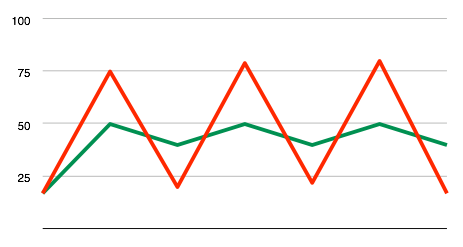
Blood sugar levels throughout the day
The secret of normalising blood sugar levels is to eat foods that are made up of complex carbohydrates. These are foods that the digestive system has had to work at to get the sugar out. This will slowly raises the blood sugar level over a longer period of time so that the pancreas can more effectively monitor the system. A teaspoon of sugar goes into the blood stream in 20 minutes. A banana releases its sugar over a period of 2 1/4 hours. Eating fruit when you feel like something sweet is a way of nourishing the body while ensuring that blood sugar won’t fall in an hour’s time.
When you are in an energy slump think about what you last had to eat and you may find it was either high in simple sugars or carbohydrates or eaten in a rush with a cup of tea or coffee.
There is nothing wrong with tea, coffee cakes, sweets or biscuits but when they are taken habitually to give you a lift, emotionally or physically then it may be the main contributing factor of why life seems an up hill battle!
BACK TO BASICS
First Things First
In day to day practice a Naturopath is confronted with many and varied illnesses and symptoms that vary from A to Z. Very often people think if their treatment is complicated it must be better. When there is an attempt to treat all the individual symptoms of a complaint without addressing the underlying causes, the person ends up walking away without a clear idea of what is ailing them. Often many and varied symptoms which may seem unconnected can be brought down to one ore two common denominators or causes.
No matter what you are suffering from acne or arthritis, if you’re not sleeping well, not “going” every day or having or able to have three square meals a day, then there’s very little point in looking further along the line up of symptoms if the basic needs of the body are not addressed first. Often constipation and poor sleep are major contributors to other complaints the person may suffer. Sleeping tablets have their place and are essential to make life bearable for people with chronic pain and in other illness for periods of time, while the real problems underlying the complaint are being addressed. Unless the causes are treated the over use of tranquillisers and sleeping drugs can compound the initial problems.
Naturopathically sleep disorders are treated like the bit of the iceberg protruding above the water line. The symptom constitutes only 1/3 of the problem and the other 2/3 the unseen bit, the cause, is where treatment is focused. There are many herbs which can help the poor sleeper’s nervous system relax and switch off. Camommile tea contains very high amounts of magnesium, potassium, calcium and phosphorus which all help tone and sooth the nerves and puts their control back in the hands of the owner. It is also a good smooth muscle relaxant and helps to settle tight muscles as well. Valerian is another herb which has been used for centuries in the treatment of sleep disorders. This herb is also high in the above minerals and also contains a substance called Valerianic acid which helps improve sleep quality. Valerian actually improves coordination and alertness and does not cause drowsiness. There are many other herbs which have a safe sedative action which improve sleep, are not addictive and when prescribed over a period improves a person’s sleep pattern. Eventually they can sleep with out any assistance at all. Just because you may have been a poor sleeper all your life doesn’t mean you have to put up with it for the rest of your life! All that is necessary is that poor sleep patterns be properly understood and put into perspective so the person understands why they have the problem. Poor sleep exaggerates and compounds any other complaint the person may be suffering. Waking refreshed gives the body renewed energy to get the body doing what it was always good at, self regeneration.
Constipation slows the body’s metabolism and as wastes builds up in the system particularly over a long period of time every chemical reaction in the body is disrupted. The body doesn’t get on with the job of repair and maintenance. Many believe that if they’ve only ever used their bowels twice a week then it’s OK for them to be that way. As soon as there is a delay in the body removing its wastes it is reabsorbed by the blood and recycled back into the body again. You can imagine what the household would be like if the toilet and kitchen tidy was not emptied regularly. No one wants to live in a house like that! Over the last few years the importance of fibre in the diet is becoming recognised. It was only a short while ago in the late 50’s that fibre was considered to have no nutritive role and was not needed in the diet. How quickly things change. When we think of fibre we tend to think of bran and wholemeal breads etc. This type of fibre is rough and good but if taken to excess it can actually cause constipation as the bowel becomes overly dry and cannot push things along easily. There is a softer form of fibre which can supplement some of the rougher fibre. It is the spongy cells found in vegetables and fruit particularly root vegetables, cabbage, apples and pears but a certain amount is found in all fruit and vegies. Your choice of fibre is a bit like the washing up, you don’t need the steel scrubber all the time sometimes the sponge is needed as well.
Fluid intake must also be taken into account. An adult requires 6-8 glasses of liquid a day. Inadequate fluid intake may be one of the major contributing factors of constipation.
So perhaps bright eyed and bushy tailed is how you can feel when you get back to the basics.
Traditional vs. Orthodox Medicine
The Best of Both Worlds
Many times in a working week I am asked what doctors think of ‘natural medicine’ I have to reply that the majority of orthodox health care professionals have a closed mind to alternative methods of health care. Many people expect that one day there will be a joining together of the orthodox doctor and the traditional naturopath. This could be a difficult marriage. For the major acute traumas one is much better off going to see a doctor or the casualty section of the hospital. For everyday feelings of being out of sorts and longer-term chronic complaints, a naturopath can be of great help in getting to the bottom of the problem. A naturopath can treat the real causes of the problem rather than just the symptoms, as is often the case with long term illness. I am the first to refer a patient to a doctor if I feel it is beyond my field of treatment. It is very important that everyone in the health care arena know where to draw the line when determining if natural therapies can help a person and where the person in need would be better cared for by another type of treatment.
This division between the old and the new systems of treatment goes back to the Middle Ages. Back then it was the early church that dispensed herbs to heal the sick. The villagers would go up to the monastery and get their medicines. No doubt, the church’s involvement with herbs gave it a magical aura and produced a strong impression of mystery. The church wielded absolute power over all healing and if you didn’t toe the line you didn’t receive help. The story goes that one day the cleaning lady from the village saw that the plants growing in the gardens in the monastery were the same ones she had growing in her backyard at home. She decided she would give them out free of charge, unknowingly dealing the church a destabilising blow in doing so. The church had to do something to get its power back. It claimed the woman was a witch, in league with the devil. “That will stop the people going to see her” they thought, and “if we burn a few at the stake that will really show them we mean business.” This was the start of the division between those on the inside of the establishment and those on the outside that still exists today.
Today the new true sciences of bio-physics, bio-energetics, quantum mechanics, polarity reflexes, geo-magnetics, resonance frequencies and space-data evaluation have begun to show, to prove even, to the satisfaction of the most die-hard ‘sceptics’, that yesterday’s magic is today’s scientific breakthrough. What a pity naturopaths are still jeered at because their knowledge medicines may have been gained outside of a university. But naturopaths are no longer in the minority. There are millions of people all over the world who are looking for simple and less costly means of maintaining and improving health and wellbeing. As an official World Health Organisation (WHO, Geneva) publication, “The Promotion and Development of Traditional Medicine”, 1978 put it:
“Traditional medicine is the sum total of all the knowledge and practices, whether explicable or not, used in diagnosis, prevention and elimination of physical, mental or social imbalance and relying exclusively on practical experience and observation handed down from generation to generation, whether verbal or in writing. Traditional medicine might also be considered as a solid amalgamation of dynamic medical know-how and ancestral experience.”
When the patient is put first and their needs held uppermost – a good health professional will be a useful guide, especially when that need lays in another practitioner’s care.
 Steve the Naturopath