Naturopathic Medicine
This system of Natural Medicine assesses the person as a whole and treats not only the symptoms but discovers where the underlying causes of the illness originate.
Naturopathic philosophy believes that every person has an innate ability to heal themselves given the right environment. attitude and approach.
A Naturopath chooses from a collection of natural therapies or modalities as tools to foster a healing environment for the patient. These modalities fall into two categories: Treatment and Assessment techniques.
Qualities of a healer
• Responsiveness
• A helpful and giving approach
• Empathy
• Kindness
• Honesty
• An unselfish attitude
food & diet
Food as Medicine
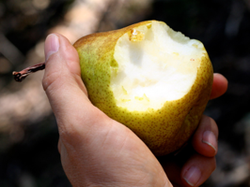
There is a place for coffee, cake, hamburgers, alfalfa sprouts, muesli and chocolate in our diet, they only become a problem when inappropriately consumed. Any food can become a health hazard when eaten to excess. Bad foods are only bad because they are either eaten to excess or at an inappropriate time. There is no such thing as a set balanced diet for all of us. For each person there is an individualal amount of nutrient each of us need to function at optimum levels which is different for each of us.
We need to individualise nutrition. People are now becoming more aware of what they should eat and should not eat largely from a lot of half truths advertised by food manufacturers trying to convince us that their product is ‘natural’ or make you like the beautiful people in their advertisement. Even uranium is natural. Every day it seems a new book is written on nutrition. The Raw Food Diet, The Vegetarian Diet, The low Cholesterol Diet, The High Fibre Diet, The Israeli Army Diet, all setting out generalised complicated or extreme ways we should eat. These regimens are often so complicated it seems the only people who understands them are the ones who wrote the book.
A good Naturopath will take into account the sum total of an individual’s loading and give some guidelines for the person to follow in food selection to bring the body more into balance. Then we can start to re-educate our taste buds to more accurately discern and tell us what we need to eat and when.
Our bodies are already giving us messages as to what we need to eat. To develop the capacity to listen to our taste buds we need to uncover the things we attach to the simple act of taking nourishment on board. We need to separate food and the reasons for eating; Laziness, can’t be bothered to prepare appropriate food and eat whatever is easiest. Habitual eating of particular foods over many years, the young who eat junk foods due to peer pressure. Manufacturers preparing food in whatever way that will keep costs down. Eating food as a reward, food you have to be good for to deserve. Eating to make you feel and look better and have more friends. Treating yourself to luxury foods if you feel depressed or bored and then feeling guilty about it. In all these situations, and in many others our choice of foods is inspired by imbalance. If you eat something which you think you shouldn’t have, at least enjoy it. It will be a lot easier for your system to digest food if guilt is not being digested with it.
When we are able to listen to our taste we will be in a better position to select foods which make up the true individualised balanced diet for ourselves, but this takes practice to bring out our true taste buds. It may mean what we have in the cupboard is not the right thing for tonight, and if we are tired and it’s 10:30pm, are we going to follow our true taste and go to the shop to get it?
Many digestive disorders are actually stress related. The only place in the body that has the most nerve connections, apart from the brain is the gastrointestinal tract. It becomes easy to blame food alone rather than changing how we live life. Diet modification is a useful tool in treating digestive disorders but behaviour modification is just as important.
Herbal Medicine
Like concentrated vegetables
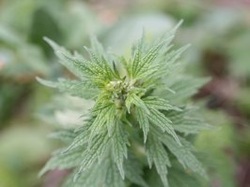
Motherwort – Leonurus cardiaca
Useful in the treatment of post-natal depression, cardiovascular disease and heart related asthma.
What is Herbal or Botanic Medicine ?
Plants have been used as medicines since antiquity. Even today, 25% of Doctors’ prescriptions may contain components isolated from plants. Constituents of Herbal Medicines can influence the body in many ways. Up to 5 different herbs from a selection of 140 may be carefully selected to suit an individual’s needs. The medicine is most commonly prescribed in the form of drops to be taken in water.
Examples of herbs commonly used in both Naturopathic and Conventional Medicine.
• Aspirin is a constituent found in many herbs such as Willow.
• Peppermint oil is used to medically treat digestive disorders such as colitis.
• Ephadrine, a mucous drying agent used in cold and flu remedies was originally found in a herb called Ephedra.
• Metamucil contains parts of the Psyllium plant, a herbal laxative.
• Atropine is a constituent of the herb Belladonna and used medically to dilate the pupil and to reduce abdominal cramps. It is also used as a bronchodilator
Herbal medicine can be a most effective and economical form of treatment.
You may not have thought of yourself as a user of herbal medicine but, if you are an enthusiastic cook you might be but don’t know it!
Parsley is a herb used by many herbalist as a blood cleanser and for the treatment of mild urinary infections and also for fluid retention. This is a very potent herb when taken in large amounts. A sprig a day would be all you’ll need over the long term, higher doses can force the system to eliminate waists too violently and place too much of a pressure on the system. Many believe that if ‘it’s natural’ then it can do no harm, but the same rule of nature exists for the “natural” as well as the synthetic, that is “Any substance at a given dose will have a therapeutic action on the body. The same substance at a higher dose will have the opposite or detrimental effect”
Many are familiar with the anti-biotic action of Garlic, just about the same can be said for Onion which makes a wise inclusion in the diet for infections especially of the respiratory kind. Be aware though that both Garlic and Onion yield their goodies to oil rather than water. So lightly fry them before adding to soups or stews aids their therapeutic action.
Dill seed makes a very effective gripe water of infantile colic. Use 1/2 to 1 teaspoon to a cup of boiling water and let it cool.
Ginger is a very good remedy for nausea, again you can use a teaspoon of fresh or 1/2 teaspoon of powdered, pour over boiling water and sip as needed.
All the strongly aromatic herbs have high concentrations of essential oil. Thyme, Basil and Sage are all helpful in the treatment of upper respiratory and throat infections. One of these together with the astringent action of lemon juice as a tea can be taken to cut down the growth of the invading nasties and also impart a toning action on the mucous linings to keep potential infections out of the body.
Many find herbal remedies strong tasting in their unadulterated form. This is because Mother Nature is telling you that this is a medicine and not a food and naturally limits the amount you are able to take. Cayenne pepper for example helps to improve peripheral blood circulation. It is unlikely a person could swallow any more than an eighth of a teaspoon of Cayenne pepper so overdose is impossible. In the case of Orthodox medicine it easy to down two or three jars of medical preparations because the natural restricting mechanisms have been removed.
It is important that you appreciate the danger of self medication and as the lady says “If the problem persists seek professional advise. Used sensibly remedies such as these can be of great benefit but you need to draw the common sense line where the problem is beyond your own abilities of self diagnosis and treatment. That keeps you out of the Sunday papers and the natural medicine movement happy and gains the respect of orthodox medicine.
Therapeutic massage
Healing Hands
Massage is used to treat a wide range of conditions such as muscular strains, sprains and spasms as well as simple nervous tension or anxiety. Massage is useful to ‘spoon feed’ stress management. You cannot help but feel relaxed after a massage, therefore you can readily differentiate between relaxation and tension and become more able to participate in backing off and preventing future muscular and nervous tension. A massage treatment can be isolated to an area of injury or, for stress management, the back and neck are treated.
Before and after massage you are left in privacy to change into/out of a cotton gown with under clothes left on. It is important that you feel as comfortable as possible with your treatment. To facilitate this there is no reason why you cannot bring a friend with you to your appointment for your personal comfort.
Back injuries are said to be the most common reason for loss of working hours. Contrary to popular belief the spine is not a crane. The spinal vertebra can only effectively take heavy weights in the vertical plane and so should be kept more or less in an upright position so that the individual bones along the length of the spine rest on each other and do not slide forward as a result of incorrectly applied force. There is much to be said for the Chinese exercise programs that are performed at the beginning of the working day in factories across the country.
For most people with back pain the damage is already done. The body lets a person know quick smart when they do the wrong thing and push the back past its level of tolerance.
The structure of the back works something like this: You have a tent pole and a rope running from it to the ground to hold it up. It is pointless trying to force the pole to stand upright by pushing it to one side or the other. Every Boy Scout knows that you need to alter the tension on the rope to pull evenly to either side of the tent pole. When these forces are equal the tent will be able to withstand the strongest winds. It is the same for the human spine. There are a series of ropes (muscles) attached along the length of the mast (the spine) and when equal forces are applied the structure stays strong. There may be cases where the mast is bent and needs to be gently ‘panel beaten’ back into shape. More often than not it is the muscles (the ropes) that hold the spine in place that need attending to.
Therapeutic massage goes a long way to re-establishing the correct tension in the muscles, muscles that are often left switched on for too long until they begin to spasm. The person loses control over the muscles and finds it difficult to switch them off. Many people, when asked to relax, tense up even more, believing subconsciously that they need to put physical effort into everything they do because that is what they do all day. I think of therapeutic massage as physically taking the person step by step through what it feels like to relax the set of muscle that have given them migraines or headaches or sciatica for the past twenty years. In doing this, the responsibility and ability to relieve the pain and discomfort of the sore back is put back in the owner’s hands. It turns out that it wasn’t just the chair at work that was the problem but the way they were sitting in it all day without a break.
The spine acts like one of those big underground telephone cables. It carries electrical messages to and from the brain to the rest of the body. Injury to this vital communication link is not only very painful, indicating as it does the body’s efforts to guard against further trauma, but it will also effect the flow of these minute electrical messages and thus the control of the conscious and unconscious commands of the brain. This is why massage to the spine can improve the function of all the organs and body systems because it helps get rid of static in the telephone line and make way for clearer messages.
Manipulations to the spine without readying the area first can disrupt the messages sent along the spinal cord. Disruptions may not become apparent immediately after manipulation. Irreparable harm comes from repeated cold manipulations to this extremely fragile area of the body. The spinal cord, which runs through the centre of the vertebra, is actually an extension of the brain. In the same way, you can become woozy after a bump on the head if the spine is manipulated without being warmed up first. I always recommend that if a manipulation has to be done the patient must have at least a fifty-minute massage to loosen the tightly knotted ropes before the tent pole is pushed into its correct position.
Herbal medicines can help loosen muscular spasm and prevent it in the first place. When control over the muscles is lost and they tighten up, seemingly out of the person’s control, there may be a deficiency of substances that the body uses to switch the muscles and nerves on and off. Magnesium phosphate is one of these. This mineral salt found in our food allows the body to switch the muscles and nerves on and off completely. When nutrients such as these run low, the person will have trouble starting and stopping, such as getting up in the morning and winding down in the evening.
Valerian and chamomile may be of assistance here because they supply the body with high amounts of magnesium to help relax the nerves completely.
There are many herbs that also have an anti-inflammatory action without a lot of the strong side effects found in pharmaceutical varieties, although they are not as strong in action and may not exert a strong enough effect in severe cases. Naturopathically, I would look to supplying the body’s needs and discovering the cause of inflammation in the body. The use of anti-inflammatory medicines, whether from medical drugs or herbal medicines, only goes half way toward healing back injuries. Adequate nutrition and proper rest must form an integral part of the healing process. Bones need silica, magnesium and calcium to mend and strengthen. We spend thousands of dollars getting renovating and making our houses structurally sound. Why then do we not pay the same attention to our body?
Dr Bach Remedies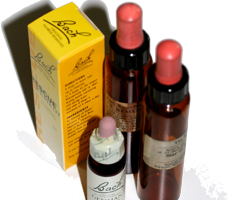
Also know as the Bach Flower Remedies, this is a system of herbal medicine that treats the attitudinal or emotional cause of a complaint. A Naturopath often prescribes Bach Remedies whenever underlying stress or trauma may be contributing to the imbalance causing illness. There are 38 remedies, a selection is made from these appropriate to the patients needs.
Some examples:
ASPEN
Apprehension and fear of unknown origin
CHESTNUT BUD
Repeated mistakes, cycles, lack of observation
GENTIAN
Doubt, discouragement
HONEYSUCKLE
Living in the past, indulging in reminiscence
Use it to learn wisdom of past to apply to today
LARCH
Lack of confidence, anticipation of failure
Does not try, feels inferior but has ability
VERVAIN
Over-enthusiastic, fanatical, highly strung
RESCUE REMEDY
Rescue Remedy is a combination of five remedies designed specifically to help balance life’s ups and downs. Use Rescue Remedy in any emergency, great or small, for great sorrow, for some sudden bad news, after any accident, whether severe or inconsequential, after an accident regardless of its nature, there is always some emotional experienced. The sufferer may experience shock, fear which can amount to terror or panic, desperation with its consequent numbing effect, or confusion. To relieve the victim’s fear, and to restore his calm and confidence is of paramount importance to both his present and his future well being. The Rescue Remedy has no ill effects yet it is quite capable of saving a human life pending the arrival of a qualified physician. In a major emergency, remember that the Rescue Remedy is a potent first-aid measure; it cannot supplant skilled medical treatment and it was not designed to do so.
Rescue Remedy’s gentle action assists the return to a positive outlook when comfort and reassurance are needed, particularly at times of emotional demand; before a driving test, interview, exam or flight or when you simply need a little help.
If the patient is unconscious rub it on the lips, on the gums, behind the ears and on the wrists. The Rescue Remedy can also be applied to external injuries. It can be used to bathe a painful area; it can be used as a cold compress or hot fomentation, use six drops to 500mls of water.
Bach Flower Remedies are prepared from extracts of non-poisonous wild plants, bushes and trees. They are gentle and safe and suitable for use by all the family including pets.
The five Remedies (herbs) which compose the Rescue Remedy are:
| Herb | For the treatment of: | Resulting in: |
| Star of Bethlehem | The effects of fright, serious news, great sorrow, trauma, emotional and physical shock. | Body and mind clear of the residues of tension and trauma. |
| Rock Rose | Extreme fear, terror and panic. | Heroic bravery, selflessness. |
| Impatients | Mental stress intention, quick thought and action, impatient especially with others -can’t wait. | Understanding and tolerance of others |
| Cherry plum | Desperation, collapse of mental control, vicious temper. | Calm, quiet, courage with control over mental pressures. |
| Clamatis | Far away out of the body feeling which often proceeds fainting or loss of consciousness, inattention. | Lively interest in all things, inspired. |
Iridology
The Eyes Have It!
Can you say that you feel really well? Do you feel under par without knowing why? There is a way of checking – through you eyes!
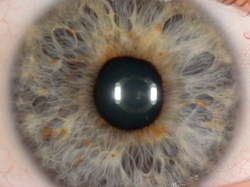
A Naturopath can interpret health and personality by looking closely at the iris, which can help pinpoint problems and imbalances in the body. The food you eat, your occupation, even your mental and emotional state record themselves in the iris, the coloured part of the eye.
The intimate connection between all parts of the body and the iris is made possible by the cerebrospinal nervous systems and its branches supplying the iris. The state of the whole of the body, every organ and body system are reflected in the iris.
The process by which signs are registered in the iris is best illustrated by the process of inflammation. Inflammation is the bodies reaction to irritation caused by any kind of outside invasion of infection or by trauma. The irritation is transmitted through the nerve’s telephone wires to particular parts of the brain which, in response to stimulation, send via the nerves, a rush of blood to the affected area, resulting in congestion and swelling. The local congestion is immediately transmitted through reflex nerve stimulation to the corresponding area in the iris, causing changes in the tissue of the iris, raising the normally white fibres of the top layer of the iris. This process does not in any way affect the vision but, it does explain why every acute process shows white in the iris.
Different colours and their placement in the iris reflect changes in the body’s capacity to deal with the loadings a person places on it. White sign can mean inflammation, pain and acid build up. The body raises the level of activity in the particular area where it’s found. Moving from the general iris colour to an greater state of ‘white hot’ activity. Over a period of time if the body does not get a rest or the appropriate fuel, it will begin to get ‘tired’. The white iris sign will become yellow. The person has had to make changes to accommodate their ill health in the particular yellow area reflected in the iris. If there are still no positive changes to help the body get on track the problem will become more and more sluggish and tired which will be reflected in the iris by darker shades of tan and brown tones. Under Naturopathic treatment people are surprised to see their eye colour change as the imbalances are corrected in the body and this change reflected in the iris. Your eye colour doesn’t just happen, it’s a reflection of what kind of a person you are.
Not only is iridology a very accurate and unobtrusive way of discovering where a person’s health problem originates. Iridology is such a sensitive tool it can pick up problems in the system long before serious ill health arises, even before a person even feels there is anything wrong. During a consultation a Naturopath takes time to explain the findings of an Iridological analysis to the person seeking help, so they can better understand why their particular health problem has arisen and where other potentially weak areas lie. An outward sign such as a skin disorder may not so much be a problem with skin function, as with other internal organs such as the liver or kidneys. The iris can pin point where ill health is really based. With this knowledge we can better understand ourselves and the way our bodies work. We can take responsibility for our own health when we understand and can interpret the little warning signs of things about to break down. If you have ever looked closely at other peoples eyes you will have noticed that no two pairs of eyes are the same, everyone is different. Through Iridology a Naturopath can tailor treatment to suit the needs of each individual. If ten people came for Naturopathic treatment of asthma for example, different combinations of medicines would be given for each individual for when we look at asthma using iridology as a guide there are as many types of asthma as there are people with asthma. No two people with asthma are exactly the same. Every person with asthma or any other ‘named’ health problem has a different life style, a different genetic background and a different work and home environment.
We are not the sum total of a statistical Australian average worked out on a big computer far removed from the real life situation, and we all know how impersonal it is being treated like a number. It is iridology which brings these individual characteristics out loud and clear. So we can accurately file a key to fit the lock for each unique person.
Structural constitutions are based on the spacing between the fibres of the ciliary zone in the iris, from a very close weave to a very open one, like that of different types of cloth. Structural constitutions tell us about the basic nature of a person, their behavioural traits and even the diseases they are likely to contract, as well as the way in which they tend to react and respond to illness and stress.
 Steve the Naturopath